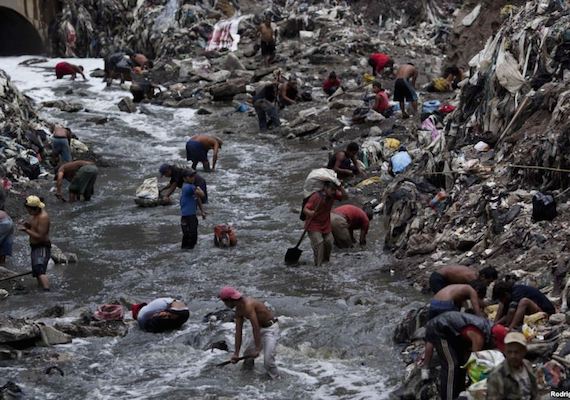
More than 300 million people in Africa, Asia and Latin America are at risk of life-threatening diseases such as cholera and typhoid. The reason: Pollution of water in rivers and lakes. These are findings in a report from the United Nations Environment Program, also known as UNEP. Viruses, bacteria and other microscopic organisms increased pollution in more than half of rivers across the three areas between 1990 and 2010, the report said. UNEP officials said long-lasting toxic pollutants like fertilizer or petrol increased during that period. Levels of salt rose in nearly one-third of the waterways. The report listed population growth and expanding agriculture as two of the main reasons for the increase of surface water pollution. Another reason was an increased amount of untreated water containing waste products. In all, UNEP said, 323 million people were at risk of infection.
What does petrol mean?
a type of engine
a liquid made from petroleum and used especially as a fuel for engines
a solid that sometimes turns into a liquid
a liquid that carries diseases
Which continent was not effected by the water pollution
South America
Asia
Africa
North America
Officials said long-lasting toxic pollutants like fertilizer or petrol increased during that period.
fertilizer
acid
bug spray
trash