College students might be surprised to learn they can take a class that only teaches about climbing trees. That class is taught at Cornell University in the American state of New York. But it is not the most unusual subject taught by a college or university in the United States. The Massachusetts Institute of Technology, for example, offers a class on what it calls the mathematics of street-fighting. And Santa Clara University in California has a program called “The Joy of Garbage.” However, classes like these might be one reason many employers feel recent college graduates are not ready for the working world. Offering non-traditional classes might also be why some grads feel their college years failed to prepare them for a professional career. The Association of American Colleges and Universities (AACU) reports on ways to improve higher education. The group surveyed about 400 employers and 613 college students about how ready those students were to enter the professional world in 2015. The survey found large differences between the thinking of the students and the employers. Many of the differences were related to skills both students and employers believe are necessary.
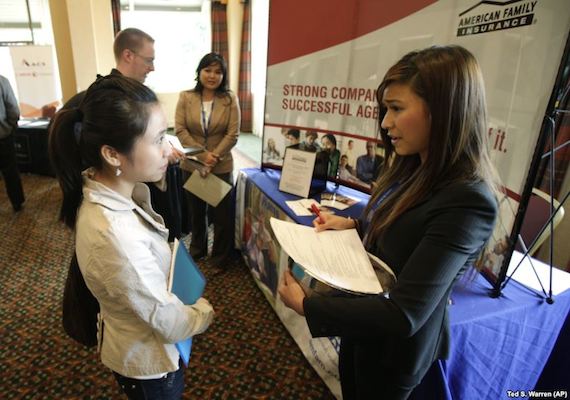
What does professional mean?
a job that requires little skill
relating to a job that requires special education, training, or skill
to be very smart
a person who does not need to go to school
What type of classes are not properly preparing college students for the working world?
non-traditional
science
math
economics
Many of the differences were related to skills both students and employers believe are necessary.
rules
bills
skills
classes