Some machines can take something written in one language and give users the same or similar wording in another language. These machines are designed to do this kind of work quickly and without mistakes. Some of the devices are so small they can be carried around the world. The quality of translation software programs has greatly improved in recent years, thanks to new, fast-developing technologies. This has led many people to start using machine translators. Some depend on the technology for day-to-day activities, while others use it in their job. But how will this affect language learning across the world? Will fewer people decide to take traditional language classes? Will human language teachers no longer be needed? One of the most widely used machine translation services is Google Translate. Google says the service completes billions of translation requests, involving 103 languages, each year. Google Translate can translate whole websites, text messages and information inside programs on smartphones. It also can translate speech spoken into a device.
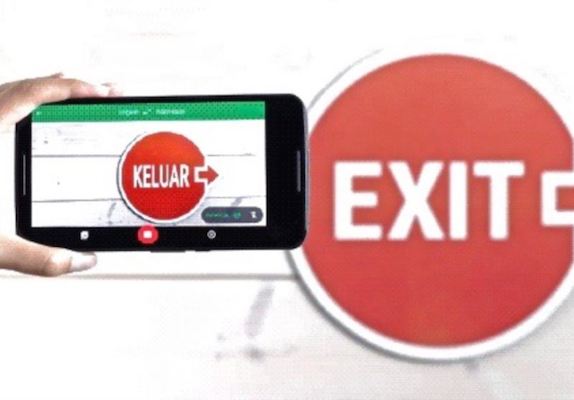
What does translation mean?
changing words from one language into a different language
speaking in a new language
reading out loud
using a computer device to communicate
How are machines designed to do this work?
with mistakes
quickly
broadly
slowly
Translation software program quality has improved in recent years.
technology
gained popularity
improved
become more complex