Scientists in Britain and the United States have designed a substance that eats plastic. They believe that, in the future, it could help reduce pollution. The enzyme is able to break down polyethylene terephthalate, or PET. This form of plastic was patented in the 1940s. It is now used in millions of metric tons of plastic bottles. PET plastics can remain in the environment for hundreds of years. The plastics pollute large areas of land and water around the world. Researchers from Britain’s University of Portsmouth and the U.S. Department of Energy’s National Renewable Energy Laboratory made the discovery. They did so while examining the structure of a natural enzyme that is thought to have evolved in a waste recycling center in Japan.
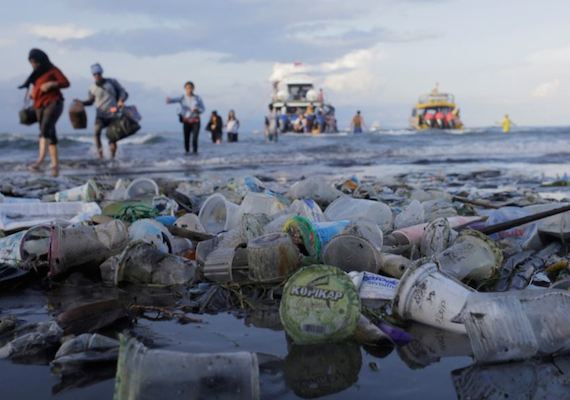
The substance could help reduce pollution.
energy
pollution
enzymes
bottles
What does evolve mean?
enzyme
allow
advance
examine
What does the substance eat?
plastic
energy source
land and water
bottles