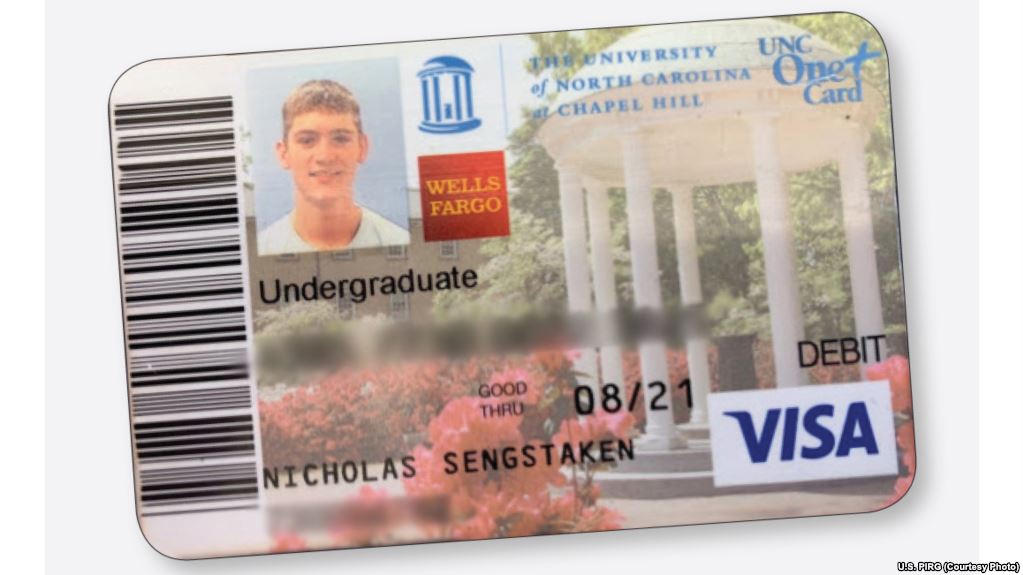
Go to any college or university in the United States and you will find most students carrying the same items: books, laptops, cell phones and their official school identification cards, or IDs. These small plastic cards do more than show the names and pictures of the students who own them. They also permit students to open the electronic locks to campus buildings and borrow books from school libraries. In recent years, some colleges and universities have added an additional use for ID cards: buying things. The schools enter into agreements with banks so students can link their cards to private financial accounts. This way, students can use their cards to pay for things like food on campus and school supplies. In other words, their IDs become debit cards. However, new research suggests that the way these card programs operate can harm students. Kaitlyn Vitez is the higher education campaign director for the U.S. Public Interest Research Group, or PIRG. Her organization aims to use research to support and protect people’s financial interests. She told VOA that PIRG has been looking into agreements between schools and banks for several years. This April, the group released its latest findings. PIRG found that, overall, students with campus debit cards paid over $24 million in fees during the last contract year.
What is an account?
an arrangement in which a bank keeps a record of the money that a person puts in and takes out of the bank
an established path through the wilderness
an iPhone app
an active volcano
However, new research suggests that the way these card programs operate can harm who?
professors
parents
pets
students
PIRG found that, overall, students with campus debit cards paid over $24 million in fees during the last contract year.
library fines
insurance payments
fees
tuition