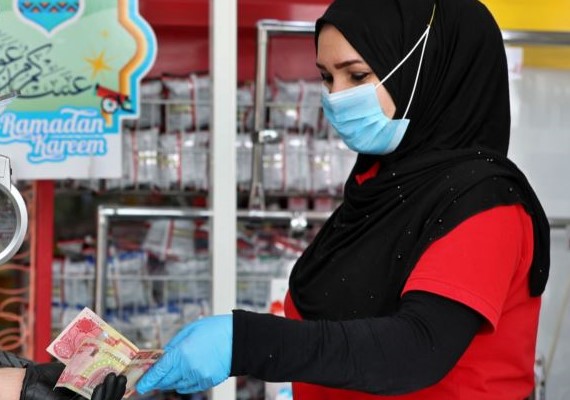
For centuries, people have kept large amounts of cash at home during difficult times. But in the coronavirus crisis, things are different. These metal coins and paper bills can be a source of worry rather than hope. The fear is that these objects, possibly touched by thousands of people, could be a way for the coronavirus to spread. Public officials and health experts have said that the risk is small. Still, some businesses refuse to accept them, and some countries have suggested that their citizens should stop using them altogether. Zachary Cohle is an economics professor at Quinnipiac University in Connecticut. “In many areas, cash was already beginning to disappear due the increased risk of robbery, the ease of internet ordering, and the ubiquity of cell phones,” he said. The term ubiquity refers to something being seen everywhere. Sweden, Finland, Norway, Canada and others have slowly reduced cash use to the point where using it in large amounts seems unusual. Britain and Australia are expected to become cashless countries. And in China, cash use has dropped as electronic payment services increased in popularity over the past ten years.
What does ubiquity mean?
something that is confusing
a small amount of something
something being seen everywhere
a large horse used in parades
What nations are expected to become cashless countries?
New Zealand and Fiji
Britain and Australia
Peru and Brazil
South Africa and Zimbabwe
Public officials and health experts say the risk of infection from cash is small.
huge
unknown
large
small