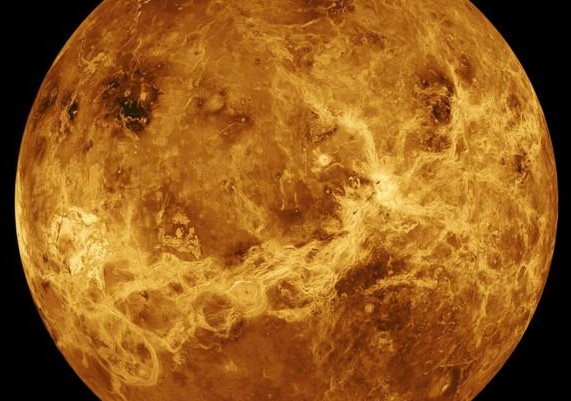
Space scientists have found what could be a possible sign of life in the atmosphere of Venus. The finding comes from a study published Monday in Nature Astronomy. The astronomers studied Venus with the James Clerk Maxwell Telescope in Hawaii. They confirmed their observations with the ALMA radio telescope in Chile. The telescopes found evidence of the chemical phosphine in the thick clouds covering the planet. Phosphine is a poisonous gas. On Earth, it is only associated with life. However, the organizers of the study and other experts agree that the presence of phosphine is not proof of life on another planet. David Clements helped to prepare a report on the study. He is with Imperial College London. Clements said of the evidence, “It’s not a smoking gun.” But he added that it may “be suggesting something.” As astronomers look for signs of life outside our solar system, one method is to look for chemicals that result only from biological processes. These processes are known as biosignatures.
What does solar mean?
a large rocket ship
involving the sun
another name for astronaut
involving the moon
What is phosphine?
a circular planet
a poisonous gas
a green plant
oxygen
Space scientists have found what could be a possible sign of life in the atmosphere of Venus.
the Sun
Venus
the Moon
Saturn