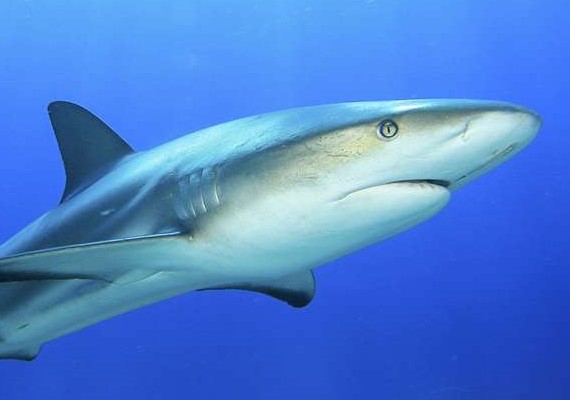
Scientists have known for decades that the numbers of some shark species are decreasing. But a new study shows just how severely worldwide populations have dropped in the past 50 years. The numbers of oceanic sharks and rays fell more than 70 percent worldwide between 1970 and 2018. The information comes from a study that appeared recently in the publication Nature. Stuart Sandin is a marine biologist who works at the Scripps Institution of Oceanography. He says that sharks are great hunters, fast swimmers and have extraordinary senses. Sandin adds that they can identify any changes in the ocean from a great distance, such as smells or tiny changes in water flow. Their ability to quickly sense anything outside the norm in their environment helps them find food in the open ocean. But it also makes them especially at risk in the face of increased international fishing pressure.
What does species mean?
the four phases of the moon
a group of animals or plants that are similar and can reproduce together
flavorings that can be added to cooking
a group of different animals that are in competition with each other
According to this article, what puts sharks especially at risk?
pollution
increased international fishing
lack of food
large predators
Between 1970 and 2018, the number of sharks and rays fell more than 70 percent .
10 percent
70 percent
50 percent
90 percent