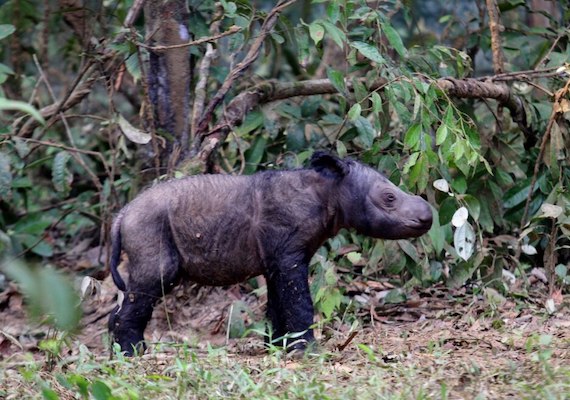
A genetic study of Sumatran rhinoceroses is providing what scientists call “good news” for the critically endangered animal. Experts say fewer than 100 of them remain in existence. Researchers report that the two wild rhino populations on the islands of Borneo and Sumatra showed unexpectedly good genetic health in a new study. The study also showed surprisingly low levels of inbreeding. Inbreeding is the result of producing young from closely related parents. The Sumatran rhinoceros is known for its two small horns and a thin coat of reddish-brown hair. It is the closest living relative to the wooly rhinoceros of the last Ice Age. Nicolas Dussex helped lead the study that was published in Nature Communications. With such small population sizes, we were expecting much higher inbreeding, he said. Dussex added that the findings suggest there may still be time to save the genetic diversity of the animal. Researchers studied the genomes of seven rhinos from Borneo, eight from Sumatra and six from the former Malay Peninsula population. The Sumatran rhinoceros is the smallest of the world's five rhinoceros species, weighing around 700 to 800 kilograms. The animal lives in rainforest areas. It also lives alone, except when mating and raising young. The animals once lived across a wide area of Southeast Asia, from the Himalayas to Borneo and Sumatra. Illegal hunting, or poaching, and environmental destruction have hurt its population. The Sumatran rhinoceros population fell by about 70 percent over the past two decades.
What is a species?
A group of related animals or plants
A completely unique animal
A featured dish at a restaurant
An extinct animal
Where does the Sumatran rhinoceros live?
Rainforests
Swamps
Deserts
Alpine forests
It is the closest living relative to the wooly rhinoceros of the last Ice Age.
Ice Age
full moon
Star Wars
decade