The United States plans to launch new rules designed to protect pipeline companies against increasing cyberattacks. The action follows a cyberattack earlier this month that shut down a major U.S. fuel pipeline. The outage, involving a 9,000 kilometer pipeline system, led to temporary fuel shortages in some places in the eastern United States. U.S. officials say new cybersecurity regulations are expected to be issued this week by the Transportation Security Administration (TSA). The TSA oversees the nation’s network of pipelines. The Department of Homeland Security (DHS) said Tuesday that TSA officials had already begun working with private pipeline companies on ways to identify and prevent cyberattacks. One of the new regulations will require the companies to report cyber threats to the federal government, one official told The Associated Press. Another rule is expected to require pipeline operators to complete a self-examination of their systems for possible vulnerabilities to cyberattacks. Mark Montgomery is with the Foundation for the Defense of Democracies. He is also the former director of the congressionally supported Cyberspace Solarium Commission. Montgomery told the AP he sees the expected requirements as “a good step” forward in the fight against cyberattacks. He added that such regulations need to be put in place for non-pipeline companies as well, “so that all our national critical infrastructure is at a higher level.” At a news conference this week, DHS Secretary Alejandro Mayorkas spoke about the ransomware attack that shut down the Colonial Pipeline. He said that kind of attack “is one of the greatest cybersecurity threats that we face in the United States.” In a ransomware attack, online attackers infect the computer systems of organizations and hijack data in a way that leaves it unreadable. The attacker then demands payment in exchange for returning the data to a usable state.
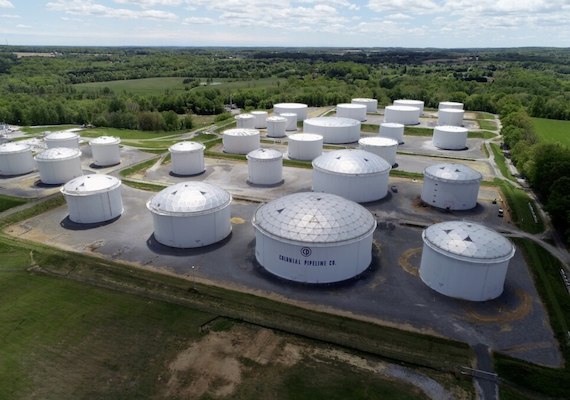
The United States plans to launch new rules designed to protect pipeline companies against increasing cyberattacks.
golf courses
cyberattacks
COVID-19 cases
gas prices
What are regulations?
Official rules that control how something is done
Feelings of sadness, repentance, or disappointment
Attention to or concern for something
Words expressing praise for an achievement
Which agency oversees the nation's network of pipelines?
Bureau of Land Management (BLM)
Transportation Security Administration (TSA)
Army Corps of Engineers
Postal Service (USPS)