In the 1950s, University of California professor Harold Biswell experimented with controlled burns in the state’s forests. At the time, many people thought he was insane to do so. Now, however, Biswell is seen not as insane but as someone whose research could ease wildfire dangers and save the forests of the American West. Large areas of forest have become overgrown in the American West. These lands have had wildfires that have damaged towns, forced large evacuations and covered the West Coast in thick smoke. Today, officials want to greatly increase prescribed fires fires set on purpose and under carefully controlled conditions. Prescribed fires help clear surface fuels in forests. Last month, four U.S. senators proposed legislation called The National Prescribed Fire Act of 2021. It calls for federal officials to substantially increase the number and size of prescribed fires on federal lands. One of the bill's supporters, Senator Ron Wyden of Oregon, said the legislation would double the budget for controlled burns. It took years for forest managers to come around to accept prescribed burning. In the first half of the 20th century, fire was seen as the enemy. Federal and state forest managers believed prescribed burning damaged the environment, especially timber, wood manufactured to build things. But in the late 1960s and 1970s, federal forest managers began using prescribed burns. Yet the increase in prescribed burns has been slow. From 1995 through 2000, an average of 566,560 hectares were treated with prescribed fire each year. That amount is far short of the 28 million hectares that in 2001 were in great need of fuel reduction to avoid serious wildfires, scientist David Carle wrote in his 2002 book “Burning Questions: America’s Fight with Nature’s Fire.” The latest prescribed burning plans face several problems. The periods between wildfire seasons when prescribed burning can happen safely are shrinking. Some forests are too overgrown to burn without thinning. And prescribed fires can fill nearby towns in smoke. Tim Holschbach is deputy chief of policy and planning with Oregon’s Department of Forestry. “We have to be mindful of not pouring smoke into communities because that’s a violation of the Clean Air Act,” Holschbach said. Prescribed burning has prevented disasters. In 2017, a wildfire threatened the town of Sisters, Oregon. But firefighters were able to control it because, months earlier, workers had removed trees and brush and then carried out prescribed burns.
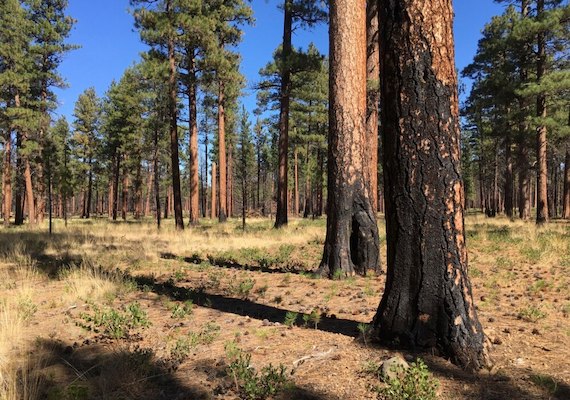
Prescribed burning has prevented disasters.
progress
disasters
crime
pollen
What is an evacuation?
the act of removing someone from a place of danger to a safer place
an extended period of leisure and recreation
the state of being free from tension and anxiety
an assessment of something
What is the name of the proposed legislation that calls for more prescribed fires?
The National Prescribed Fire Act of 2021
Burn Baby Burn Act
Code Red Act 2021
Control The Forests Act