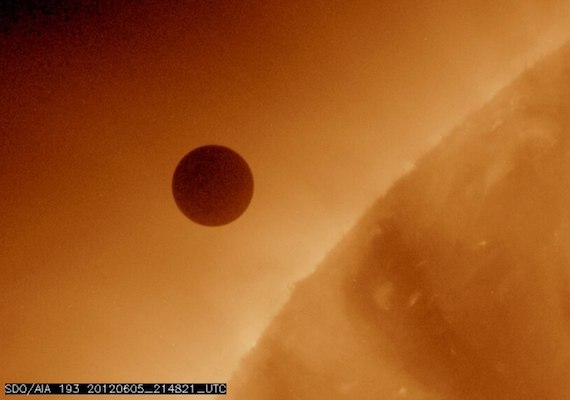
A new study says life in the clouds of Venus is unlikely. Scientists from Europe and the U.S. say there is not enough water in the planet’s clouds to support life as we know it. The team started studying the possibility of life in Venus’ clouds after a surprise announcement in September of last year. At that time, a team of scientists said they used telescopes to find evidence of the chemical phosphine in the thick clouds covering the planet. Phosphine is a poisonous gas. But on Earth, it is only associated with life. The organizers of the study and other experts agreed that the presence of phosphine was not proof of life. Their findings, however, suggested that organisms could exist in the thick, sulfuric acid-filled clouds of Venus. But researchers of the recent study used observations from spacecraft. They found that the amount of water in Venus’ atmosphere is more than 100 times too low to support life like Earth’s. John Hallsworth is a microbiologist at Queen's University Belfast in Northern Ireland. He said the amount of water is very low and an unbridgeable distance from what life requires to be active. His team studied the most dry-tolerant and also the most acid-tolerant microbes on Earth. The team then decided that the microbes could not survive on Venus. The latest findings suggest Venus is unlikely to have water-based organisms like ones on Earth. But the researchers identified another planet with enough water in its clouds and the right temperatures to support life Jupiter. Now I'm not suggesting there's life on Jupiter and I'm not even suggesting life could be there, Hallsworth told reporters. The team said it was not sure if the nutrients necessary for life existed in Jupiter’s atmosphere. But still, it's a profound and exciting finding and totally unexpected, Hallsworth said. Hallsworth and NASA astrobiologist Chris McKay wrote about their findings in Nature Astronomy, published in late June. They said further studies will be needed to learn whether microbial life might exist deep in the clouds of Jupiter.
According to the article, which planet has enough water in its clouds and the right temperature to support life?
Mars
Jupiter
Saturn
Mercury
What is a surprise?
an unexpected or astonishing event, fact, or thing
the time in the morning when the sun appears or full daylight arrives
a supposition that something may be true
the end or failure of an enterprise or institution
The latest findings suggest Venus is unlikely to have water-based organisms like ones on Earth.
organisms
beds
sound
meals