A new study predicts that a changing moon cycle will increase high-tide flooding across U.S. coastal areas in the mid-2030s. The finding is based on ocean tide data collected from 89 coastal areas covering every U.S. state and territory except for Alaska. This data was examined along with flooding records and predictions for future sea level rise stretching into the year 2080. Research results showed that the combined effects of rising sea levels linked to climate change and natural changes in ocean tides will lead to increases in coastal flooding. The prediction was recently reported in a study in Nature Climate Change. The study was led by members of the U.S. space agency NASA’s Sea Level Change Team. The lead researcher of the study was Phil Thompson, a member of the Sea Level Change Team and director of the University of Hawaii’s Sea Level Center. Thompson said in a statement he expects the biggest increases to happen along the U.S. Pacific and Gulf of Mexico coastlines, which include Hawaii and other Pacific islands. This is important because this is where high-tide flooding goes from being mostly “a local or regional issue and becomes a national issue affecting a majority of our nation’s coastlines,” he said. The researchers note that many U.S. coastal areas, especially along the Atlantic coast, are already experiencing such flooding. High-tide flooding happens when tides reach anywhere from 0.5 meters to 0.6 above the daily average high tide, says the National Oceanic and Atmospheric Administration (NOAA). NOAA reported more than 600 incidents of this kind of flooding -- also known as “sunny day” flooding -- in 2019. Such activity is expected to worsen and lead to longer lasting floods as high tides increase in the future and sea levels keep rising. Ben Hamlington was a co-writer of the study. He is with NASA’s Jet Propulsion Laboratory in California and also the leader of the Sea Level Change Team. He said in a statement the findings can be an important resource for U.S. coastal planners who may be centered more on preparing for extreme events rather than more high-tide flooding. For planning purposes, “it’s important to know when we’ll see an increase,” Hamlington said. Thompson agrees that results of the study can be used by scientists, engineers and government officials who are used to preparing for rare, severe weather events such as a 100-year storm. “But we demonstrate that it is important to plan for extreme months or seasons during which the number of flooding episodes, rather than the magnitude, is exceptional,” he said.
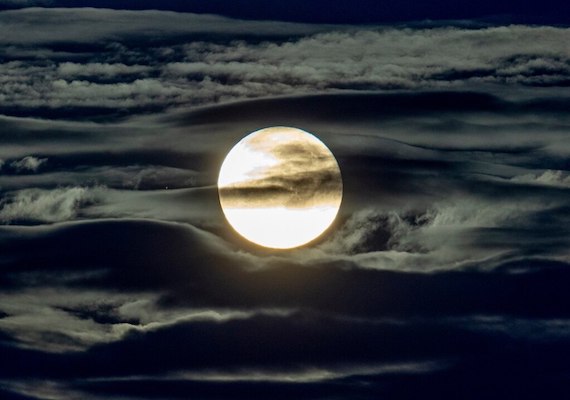
Such activity is expected to worsen and lead to longer lasting floods as high tides increase in the future and sea levels keep rising.
sinking
rising
listening
limping
What is a tide?
the indefinite continued progress of existence and events in the past, present, and future regarded as a whole
a theatrical performance or part of a performance using mime
the alternate rising and falling of the sea, usually twice in each lunar day at a particular place, due to the attraction of the moon and sun
news or information
What is another term for tidal flooding?
rainy day flooding
sandstorm
sunny day flooding
ocean spray