Electric vehicles (EVs) are a strong weapon in the world's efforts against global warming. But the effects of EVs depend on what country you are in. In some nations, electric vehicles lead to the release of more carbon gasses than gasoline cars, new research shows. The Radiant Energy Group (REG) compared gas emissions caused by a gasoline vehicle and from charging an electric vehicle. The study compared the emissions caused by charging a Tesla Model 3 to drive 100 kilometers with the emissions coming from an average gasoline car driven the same distance. Countries where charging an electric vehicle is cleaner than driving a gasoline-powered car use a lot of hydroelectric, nuclear or solar power. Sales of electric cars are rising the fastest in Europe. Data from REG suggests that EVs in Poland and Kosovo actually create more carbon emissions because their electric systems depend so much on coal. In other European countries, however, EVs result in reduced emissions. The carbon gas reduction depends on what energy supplies electricity systems and the time of day vehicles are charged. The countries with the biggest carbon gas savings from EVs use a lot of nuclear and hydroelectric power. First was Switzerland at 100 percent carbon savings over gasoline vehicles. Next was Norway at 98 percent, France at 96 percent, Sweden at 95 percent and Austria 93 percent. The research was based on public data on Europe’s electricity usage and the European Environment Agency (EEA). The countries which showed the lowest savings were Cyprus at four percent, Serbia 15 percent, Estonia 35 percent and the Netherlands 37 percent. An EV driver in Germany reduces greenhouse gas emissions by 55 percent over a gasoline car. Germany uses a mix of renewable energy and coal to produce electricity. Germany and Spain create a lot of electricity from the sun and wind. But the sun and wind do not add to a country’s electricity system equally throughout the day. For this reason, the amount of carbon emissions saved by driving an EV depends on the time of day it is being charged. Charging in the afternoon, when there is more sun and wind, saves 16 to 18 percent more carbon than at night when electricity systems are more likely to be using gas or coal.
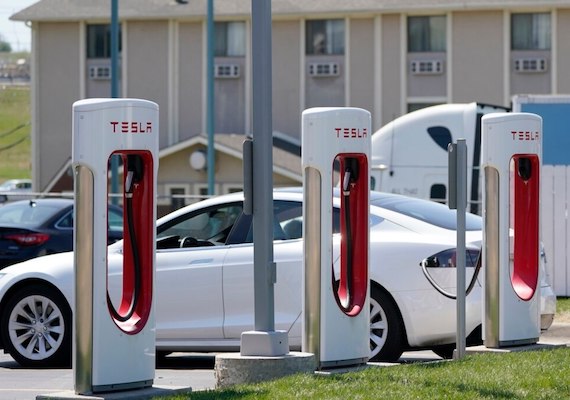
What are emmissions?
something that is sent out, given off or released
a person sent on a religious mission, especially one sent to promote Christianity in a foreign country
the leading characters in a drama, movie, novel, or other fictional text.
he resistance that one surface or object encounters when moving over another
Which country came in first with the biggest carbon gas savings from electric vehicles?
Switzerland
Sweden
Austria
Poland
Charging in the afternoon, when there is more sun and wind, saves 16 to 18 percent more carbon than at night when electricity systems are more likely to be using gas or coal.
sun and wind
earth and fire
rain and snow
moon and stars