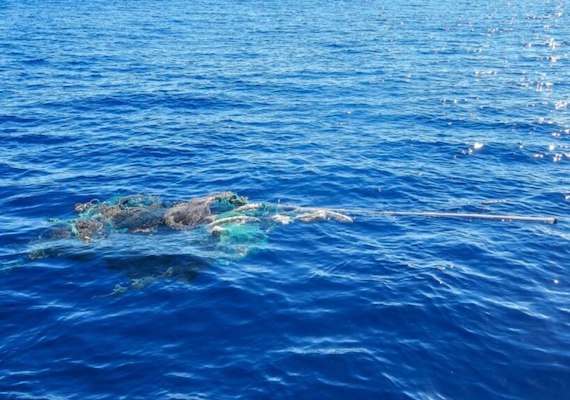
Plastic waste in the world’s oceans is affecting marine life in new and unusual ways, researchers reported recently. A group of U.S. and Canadian scientists found that some species are living on a huge area of plastic garbage floating in the Pacific Ocean. The team discovered animals such as oceanic barnacles and crabs living alongside coastal barnacles and anemones. Linsey Haram of the Smithsonian Environmental Research Center was the lead writer of the report that appeared recently in the publication Nature Communications. “We expected to find oceanic marine species that have adapted on plastics, but we were...surprised to discover coastal marine species as well,” Haram said. It is not known how some coastal marine life got out into the ocean, added Haram. “They may already be out there settling on the plastics, but most likely they are being…transported from the coast on floating debris,” she told VOA. Debris is another term for waste. The study looked at the Great Pacific Garbage Patch between Hawaii and California. The patch, or area, is more than 1.5 million square kilometers. It is mostly plastic waste. The debris includes large amounts of very small pieces of plastic, along with water bottles, toothbrushes and fishing gear. The garbage is drawn together in circular ocean flows called gyres. The plastics can float together like that for years.
What is debris another term for?
waste
taste
aches
paste
Where is the Great Pacific Garbage Patch located?
Between Hawaii and California
Between New York and Liverpool
Between Lisbon and Bermuda
Between Sydney and Tokyo
The plastics can float together like that for years.
years
delivery
yes
near