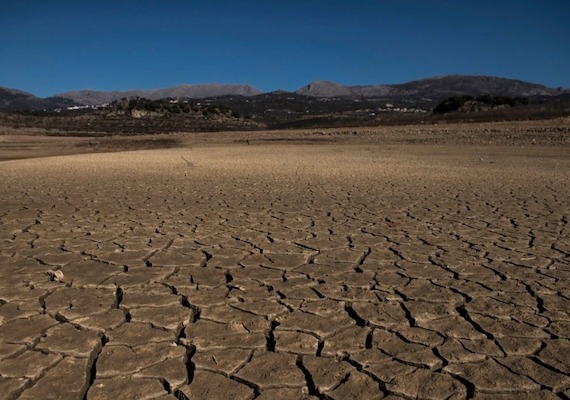
Southern Europe is facing a water crisis that could lead to a decrease in food production, especially in agriculture. Decreasing agricultural production in Europe and reduced water resources are future dangers as worldwide temperatures continue to rise, the world’s top climate scientists say. Spain is facing one of the driest winters on record. Juan Camacho, a farmer in the southern province of Granada, said, “We are facing a drastic situation.” Drastic is a term that means serious or severe. Not far from Camacho’s land, the area's largest reservoir is down to 15 percent of its capacity after over two months without a drop of rain. In Portugal, authorities have restricted the use of some reservoirs for hydroelectric power and irrigation as the country experiences an unusual winter drought. Joaqun Montes is among those set to lose more. He is one of about 10 million farmers in the European Union who feed some 440 million people. Located between Costa del Sol and the Sierra Nevada mountains in southern Spain, Montes’ land should have plenty of water. But with 41 percent less rain than average since October, dams contain almost no water. Private sources of water - such as ponds - that are supposed to last farmers through summer are empty. “Us farmers, we are used to dealing with drought,” said Montes, who learned the job from his father when he was 14. “But every year we see less and less rain. I fear for my livelihood.”
What is another term for drastic?
severe
moderate
lovely
green
Which season is mentioned as being one of the driest on record in Spain?
winter
spring
summer
autumn
But with 41 percent less rain than average since October, dams contain almost no water.
water
walkers
winter
wallet