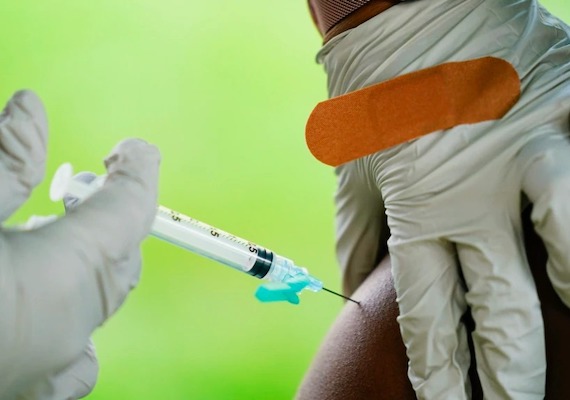
Drug companies are testing new methods to improve the efficacy of COVID-19 vaccines, using combination shots or nasal drops. They hope the continued research will help strengthen resistance to a continuously changing coronavirus. The first COVID-19 vaccines remain protective against serious sickness, hospitalization and death, especially after a booster dose. However, drug companies are facing growing pressure to develop vaccines better at fighting off milder infections. Updating vaccines to match the latest variants is risky, because future variants could be very different. So, companies are considering something like a flu vaccine, which offers protection against three or four different strains in one shot every year. Moderna and Pfizer are testing 2-in-1 COVID-19 protection that they hope to offer this fall. Each “bivalent” shot would mix the original, proven vaccine with an omicron-targeted version. Moderna has some early evidence that the idea could work. It tested a combination shot that targeted the original version of the virus and an earlier variant named beta. It found vaccine recipients developed limited levels of antibodies capable of fighting not just beta but also newer variants like omicron. Moderna now is testing its omicron-targeted bivalent candidate.
Which of the following is a definition of the word nasal?
of or relating to the nose
of or relating to the feet
of or relating to the teeth
of or relating to the knee
When do drug companies hope to be able to offer the new 2-in-1 protection?
this summer
this fall
last fall
this winter
The first COVID-19 vaccines remain protective against serious sickness, hospitalization and death, especially after a booster dose.
booster
duster
rooster
boots