A green area of grass called a lawn has been popular in American yards for a long time. But a growing number of gardeners and homeowners now consider the lawn as something that belongs in the past. Dennis Liu of the E.O. Wilson Biodiversity Foundation in Durham, North Carolina, said “America is unique in its fixation on the monoculture lawn.” Monoculture is a term that means growing only one species. Now, drought, falling insect populations and other environmental issues could show the need for more kinds of plants in spaces large and small. Some cities are taking steps against lawns. Las Vegas, for example, is banning all grass lawns and requiring their removal. The city has struggled with water scarcity, an issue that is likely to become worse in the coming years. Other cities are handing out lawn signs with “healthy yard” written on them. The idea is to encourage homeowners who do not use lawn chemicals or cut their grass less often. Many towns are making rules about common tools like gas-powered leaf blowers and mowers, mostly because of noise. In parts of the U.S., people are experimenting with more “eco-friendly” lawns. They are planting seed mixes with native grasses that do not need as much water. Others are cutting the grass in their lawns less and letting old plant enemies such as dandelions and clover grow. Still others are trying to replace lawns, completely or bit by bit, with garden beds that are friendly for important insects such as bees.
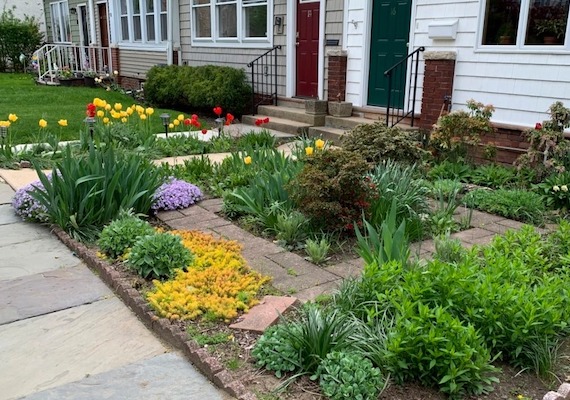
A green area of grass called a lawn has been popular in American yards for a long time.
lawn
pawn
fawn
yawn
Which of the following is a definition of the word unique?
being the only one of its kind
showing or characterized by a tendency to commit crime
present, appearing, or found everywhere
situated, occurring, or done beneath the surface of water
What is the city Las Vegas banning?
grass lawns
gravel lawns
trees
glass