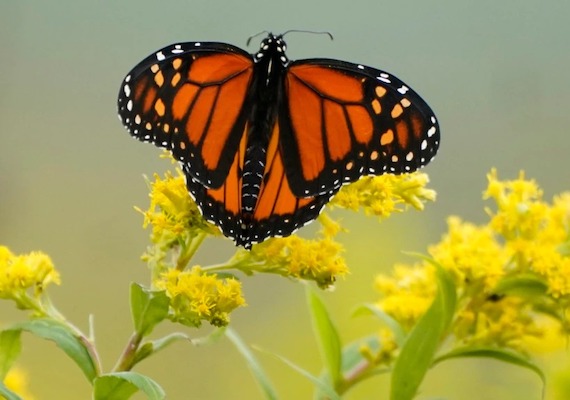
The migrating monarch butterfly is considered an endangered species. Scientists say the dropping numbers of monarchs are due to climate change, loss of habitat and the use of pesticides -chemicals that kill insects - and herbicides - chemicals that kills plants. But there are things that people living in the United States can do to help the beloved black-and-orange insects. One of the quickest and best ways to help is to plant milkweed on your property. Milkweed is a kind of plant that has white juice. Monarch butterflies eat milkweed and lay their eggs there. They need milkweed to survive. It is important to choose the right kind of milkweed. Dawn Rodney is a chief officer at the National Wildlife Federation in Reston, Virginia. She said not all milkweed is the same. “There is an invasive species called tropical milkweed that we're seeing more and more, and people are not understanding that it does more harm than good," Rodney said. Planting tropical milkweed in the United States is a problem because it is not native to the country. It blooms or flowers for longer periods of time. This can make it harder for monarchs to know when it is time to migrate. To find the right kind of milkweed, you can use the National Wildlife Federation’s Native Plant finder. Other plants, especially ones with flowers that have nectar, can be helpful to adult monarchs. Be sure to choose plants that are native to your area. These plants can be good-quality food sources for the butterflies. It is a good idea to include plants that bloom later in the growing season. These plants can help give monarchs the energy they need for their yearly migration in autumn.
Which of the following is a definition of the word migrate?
move from one region or habitat to another according to the seasons
a recurrent throbbing headache
great and impressive power or strength
collect, gather, or move with a rake or similar implement
What color is the juice in the milkweed plant?
white
brown
black
pink
The migrating monarch butterfly is considered an endangered species.
species
spectacles
spaghetti
seaweed