A new study suggests that horses were present in the American West by the early 1600s. That is earlier than most written histories have estimated. The new finding came from examinations of horse bones gathered from museums across the central Great Plains and northern Rocky Mountain areas of the U.S. The study’s estimate supports spoken histories of several Native American groups. The groups say their communities kept horses of Spanish origin before Europeans physically arrived in their homelands. A study describing the findings recently appeared in the publication Science. More than 80 co-writers took part in the study, including archaeologists, geneticists and historians. The team also included scientists from the Lakota, Comanche and Pawnee Native American nations. Past research suggests that the ancestors of modern horses first appeared in North America millions of years ago. That is before horses arrived on the central plains of Europe and Asia, where they were domesticated. But those early horse ancestors disappeared from North America about 6,000 years ago. In the new study, scientists examined more than 20 sets of horse remains from sites in several U.S. states. They aimed to establish that horses were ridden and raised by Indigenous groups by the early 1600s.
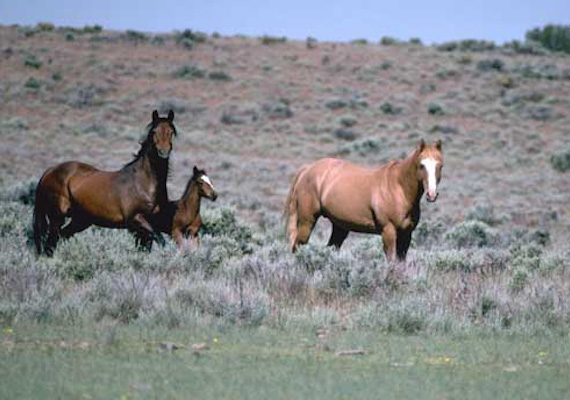
The new finding came from examinations of horse bones gathered from museums across the central Great Plains and northern Rocky Mountain areas of the U.S.
Motel
Mountain
Movie
Maintain
Which of the following Native American nations did not have scientists in the study?
Lakota
Seminole
Comanche
Pawnee
Which of the following is a definition of the word origin?
where something ends
where two roads intersect
where something begins or comes from
where light cannot enter