An international team of scientists says it has found high levels of phosphorus in ice from Saturn’s moon Enceladus. Phosphorus is a necessary element for many biological processes on Earth. The researchers said the ice crystals shot out from an ocean beneath the moon’s surface. The discovery came from data collected by NASA’s Cassini spacecraft. Cassini collected the data during its 13-year exploration of the huge planet, its rings, and its moons from 2004 to 2017. Cassini was the first spacecraft to orbit Saturn. The German-led team published their findings in Nature, a science magazine. NASA’s Jet Propulsion Laboratory (JPL) in the western U.S. state of California also announced the findings. JPL designed and built the Cassini spacecraft. Earlier, the same team confirmed that Enceladus’ ice grains are rich in minerals and complex organic compounds. The team said the ice includes the necessary elements to create amino acids, which are important molecular structures for life. Phosphorus is the least common of the six chemical elements considered necessary to all living things. The others are carbon, oxygen, hydrogen, nitrogen, and sulfur. Now, scientists have found them all on Enceladus.
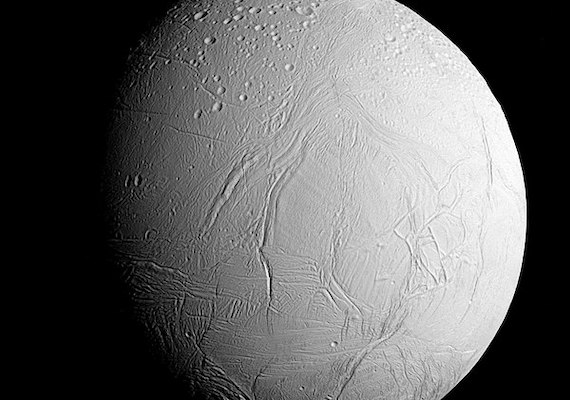
The discovery came from data collected by NASA's Cassini spacecraft.
Cassini
Voyager
Hubble
Curiosity
Where did the ice crystals shoot out from?
Another moon
Saturn's rings
An ocean below the moon's surface
A storm
What does the term "confirmed" mean in the context of the article?
Disputed or questioned
Established as true or accurate
Modified or altered
Rejected or denied