Researchers say a new method for heart transplants could increase the number of available organs and save more lives. Currently, most transplanted hearts come from donors who have been declared brain dead. This means the person no longer has signs of brain function after suffering a serious injury. In a brain death, machines can keep the body breathing and can provide oxygen to organs until they can be recovered and put on ice. But the new method would take hearts from medical cases known as circulatory deaths. These cases are also known as donation after circulatory death, or DCD. Circulatory deaths happen when a person has a nonsurvivable brain injury, but still has some brain function. In these cases, family members can decide to withdraw all life support measures. This means organs go without oxygen for a time before they can be recovered. Currently, kidneys and some other organs are taken from people suffering circulatory deaths. But doctors have resisted using hearts because of possible organ damage from a lack of oxygen. A new study suggests that hearts might also be recoverable from cases of circulatory deaths.
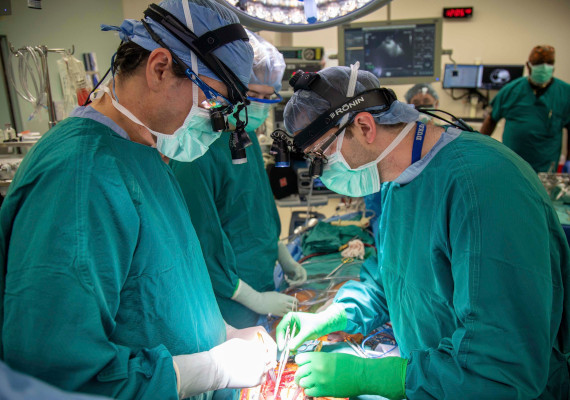
Currently, most transplanted hearts come from donors who have been declared brain dead.
kidney
lung
brain
circulatory
In a circulatory death, what do organs go without before being recovered?
function
blood
use
oxygen
What is a definition of the word transplant?
a medical operation in which an organ or other part that has been removed from the body of one person is put into the body of another person
allowing light to pass through so that objects behind can be distinctly seen
denoting or relating to a person whose gender identity does not correspond with the sex registered for them at birth
concerning countries on both sides of the Atlantic